


Botox and dermal fillers are two of the most popular non-surgical cosmetic treatments, yet many people confuse the two or assume they do the same thing. While both are injectable treatments used to reduce signs of aging, they work in fundamentally different ways and are suited to different concerns.
Botox is a purified protein that temporarily relaxes the muscles responsible for expression lines, such as crow's feet, forehead lines, and frown lines between the eyebrows. By limiting the movement of these muscles, Botox smooths existing wrinkles and helps prevent new ones from forming. Results typically appear within a few days and last three to four months before a touch-up is needed.
Dermal fillers, on the other hand, are gel-like substances, most commonly made from hyaluronic acid, that add volume beneath the skin. They are used to plump thinning lips, restore volume in the cheeks, soften nasolabial folds, and even reshape the jawline or chin. Because fillers physically add structure rather than relaxing muscles, they are better suited for static wrinkles and volume loss rather than expression lines.
Many patients actually benefit from a combination of both treatments to achieve balanced, natural-looking results. A qualified injector can assess your facial structure and recommend the right approach, and you can find personalized guidance at https://veloraskinclinic.ca/ where experienced practitioners tailor every treatment plan.
Choosing between Botox and fillers ultimately depends on your specific concerns, and a thorough consultation is the best way to determine which option, or combination, will help you achieve your desired look.
Cost, longevity, and recovery time also differ between the two treatments, which is worth considering when planning your budget and schedule. Botox generally requires less time to administer and involves virtually no downtime, making it a popular lunchtime treatment. Fillers, depending on the area treated and the amount of product used, may cause slightly more swelling or bruising initially, though this typically subsides within a few days. It's also worth understanding that filler results can last anywhere from six months to two years depending on the type of product and the area injected, while Botox requires more frequent touch-ups. Discussing your lifestyle, budget, and long-term aesthetic goals with a provider will help determine the most efficient and cost-effective treatment schedule for you.
12°C 
71
Powietrze
Jakość powietrza jest średnia.
PM1: 32.67
PM25: 51.47 (343,11%)
PM10: 60.90 (135,34%)
Temperatura: 11.61°C
Ciśnienie: 1026.12 hPa
Wilgotność: 56.93%
Dane z 03.10.2026 21:40, airly.eu
Szczegółowe dane meteoroliczne z Mińska Maz. są dostępne na stacjameteommz.pl
Szczegółowe dane meteoroliczne z Mińska Maz. są dostępne na stacjameteommz.pl

Zaloguj

facebook
REKLAMA







Forum
Botox vs Dermal Fillers: What's the Difference
 1 postów
Aktualności
 14.09.202622.06.202603.09.202623.07.202623.06.2026
Zobacz również

Katyński Dąb Pamięci zasadzono przy liceum na Pięknej
21.06.2026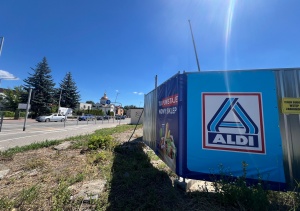
ALDI powstaje w Mińsku Mazowieckim
25.06.2026
Powstanie nowa pętla pieszo-rowerowa
30.07.2026
Mazovia rozpoczyna historyczny sezon w III lidze
08.07.2026
Projekt Erasmus Plus w Szkole Podstawowej nr 3
06.08.2026
Próba oszustwa udaremniona dzięki pracownikom poczty
01.07.2026