
10°C 
67
Powietrze
Jakość powietrza jest średnia.
PM1: 29.74
PM25: 46.58 (310,51%)
PM10: 57.91 (128,68%)
Temperatura: 10.06°C
Ciśnienie: 1025.85 hPa
Wilgotność: 60.32%
Dane z 03.10.2026 23:35, airly.eu
Szczegółowe dane meteoroliczne z Mińska Maz. są dostępne na stacjameteommz.pl
Szczegółowe dane meteoroliczne z Mińska Maz. są dostępne na stacjameteommz.pl

Zaloguj

facebook
REKLAMA





Forum
What do web designers do?
 3 postów
 Postów: 120

How do you actually go about turning abstract business goals into concrete design decisions like layout, hierarchy, and user flows, especially when different stakeholders (marketing, product, development) all have slightly different priorities or definitions of success?
Postów: 46
People often think web designers just “make things look good,” but that’s only a small part of what they actually do. A web designer is responsible for translating business goals into a visual and functional experience that users can understand. That includes layout decisions, visual hierarchy, typography, color systems, and interaction patterns. Designers also think about user flows—how someone moves from landing on a page to completing a goal. Good web designers https://clay.global/blog/top-web-design-agencies/w... collaborate closely with developers, marketers, and product teams to ensure designs are feasible, performant, and aligned with strategy. They also consider accessibility, responsiveness, and cross-device behavior. In many cases, designers act as problem solvers, not decorators. They test assumptions, refine based on feedback, and adjust designs as products evolve. The best designers balance creativity with structure, making websites that feel intuitive while still supporting business outcomes.
Postów: 107
Hey, das mit Web-Design und Nutzerflüssen klingt spannend, aber solche Details können einen echt auslaugen. Um kurz abzuschalten, bin ich zufällig bei https://roulettino-casino.com.de/app gelandet, einem Online-Casino mit speziellen Boni für Spieler aus Deutschland. Anfangs lief es an den Slots gar nicht gut, mehrere Runden ohne Gewinn, dann habe ich bewusst etwas riskiert und plötzlich richtig gut gewonnen. Diese kleine Pause hat mir echt Spaß gemacht und den Kopf freigemacht.
Watek został zamknięty ze względu na długi czas (minimum pół roku), jaki upłynął od ostatniego postu.
Aktualności
 23.06.202608.07.202625.06.202601.07.202622.06.2026
Zobacz również
Powstanie nowa pętla pieszo-rowerowa
30.07.2026
Ułani zaprosili mieszkańców do lat 30.
24.06.2026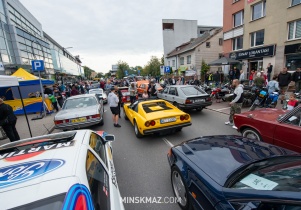
„Warkot” znów opanował centrum miasta
14.09.2026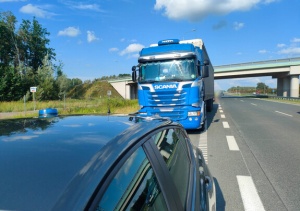
Świadkowie zareagowali na niebezpieczną jazdę. 39-letni kierowca ciężarówki zatrzymany
03.09.2026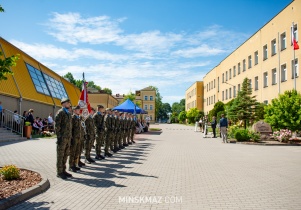
Katyński Dąb Pamięci zasadzono przy liceum na Pięknej
21.06.2026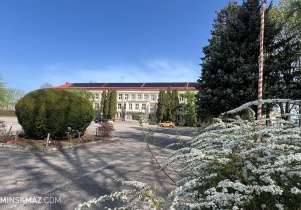
173 wolne miejsca w szkołach Powiatu Mińskiego
23.07.2026